How to Master Subnautica
Introduction
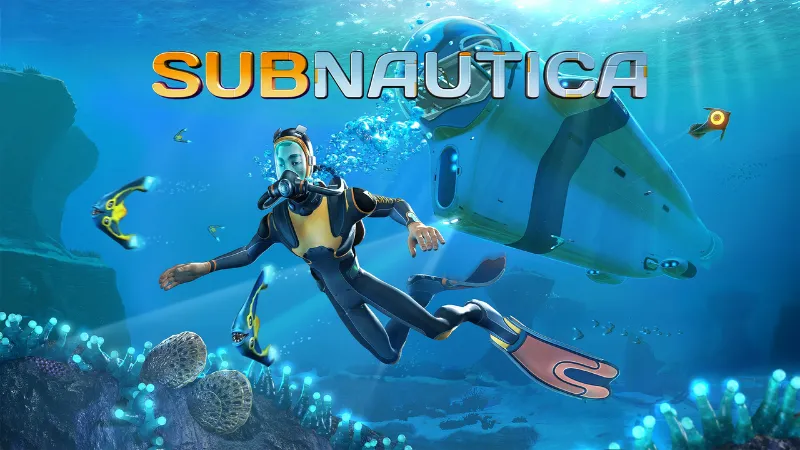
Subnautica is an underwater survival adventure that combines exploration, crafting, base building, and mystery within a massive alien ocean world. Stranded on an unknown planet after a catastrophic crash, players must dive deeper into dangerous waters, gather resources, build technology, and uncover the secrets hidden beneath the surface. The game creates a unique balance between beauty and terror, where every new biome offers both incredible discoveries and deadly threats.
Mastering Subnautica requires patience, preparation, and environmental awareness. Survival is not only about managing oxygen and hunger—it is also about understanding the ecosystem, upgrading your technology wisely, and learning how to safely explore deeper regions of the planet. This guide will help you progress from a frightened survivor in shallow waters to a confident explorer capable of conquering the deepest parts of the ocean.
Understanding the Core Survival Mechanics
The foundation of Subnautica revolves around survival systems such as oxygen, food, water, health, and resource management. Every expedition into the ocean requires planning because running out of oxygen or supplies can quickly become fatal.
Oxygen management is especially important during the early game. Without advanced diving equipment, your underwater exploration time is limited. Learning how far you can safely travel before needing air is essential for survival.
Food and water are also constant concerns. Hunting small fish and crafting filtered water should become part of your routine early on. Stable survival systems allow you to focus more on exploration and progression rather than basic needs.
Starting Strong in the Early Game
Your first hours in Subnautica should focus on gathering basic resources and crafting essential tools. Materials like titanium, quartz, and copper are critical for early progression and can usually be found in nearby shallow biomes.
Crafting tools such as the Scanner, Survival Knife, Repair Tool, and Oxygen Tank should be your top priority. These items dramatically improve exploration efficiency and survivability.
Avoid venturing too far from your Lifepod too early. While curiosity is rewarded in Subnautica, entering dangerous areas without proper equipment often leads to encounters you cannot survive.
Learning the Ocean Biomes and Their Dangers
Subnautica’s world is divided into unique biomes, each with different resources, environmental hazards, and creatures. Understanding these regions is key to efficient exploration.
Safe Shallows provide beginner-friendly resources and fewer threats, making them ideal for early survival. Kelp Forests contain useful crafting materials but also introduce more aggressive creatures. Deeper zones become progressively darker, more hostile, and psychologically intense.
Learning biome layouts helps you plan resource routes and avoid unnecessary risks. The more familiar you become with the world, the easier it is to navigate safely and efficiently.
Managing Oxygen and Exploring Efficiently
Oxygen is your most important resource in Subnautica. Every underwater journey depends on balancing exploration time with safe return routes.
Upgrade your oxygen capacity as soon as possible. Larger tanks allow deeper and longer dives, greatly expanding exploration opportunities. Building air pipes or temporary oxygen stations can also support extended expeditions.
Movement efficiency matters too. Swimming carefully, avoiding unnecessary detours, and planning routes before diving helps maximize oxygen usage. Skilled players treat oxygen like a constantly ticking timer that shapes every decision.
Using the Scanner and Blueprints Wisely
The Scanner is one of the most important tools in the game because it unlocks new technology through blueprint discovery. Scanning fragments, creatures, and structures expands your crafting possibilities significantly.
Whenever you discover wreckage or abandoned technology, scan everything possible. Even items that seem unimportant may unlock critical upgrades later in the game.
Blueprint progression directly affects your survival potential. Better vehicles, stronger equipment, and advanced base modules all depend on thorough scanning and exploration.
Building an Efficient Underwater Base
Base building becomes essential as exploration expands into deeper and more dangerous areas. A well-designed base provides storage, crafting access, oxygen, food production, and safety.
Choose base locations carefully. Areas near important resources and safe travel routes reduce unnecessary danger and travel time. Avoid building too close to aggressive predators until you are properly equipped.
Power management is also important. Solar panels work well in shallow areas, while deeper zones may require thermal or bioreactor energy systems. A reliable power supply ensures your base remains functional during long expeditions.
Crafting and Upgrading Vehicles
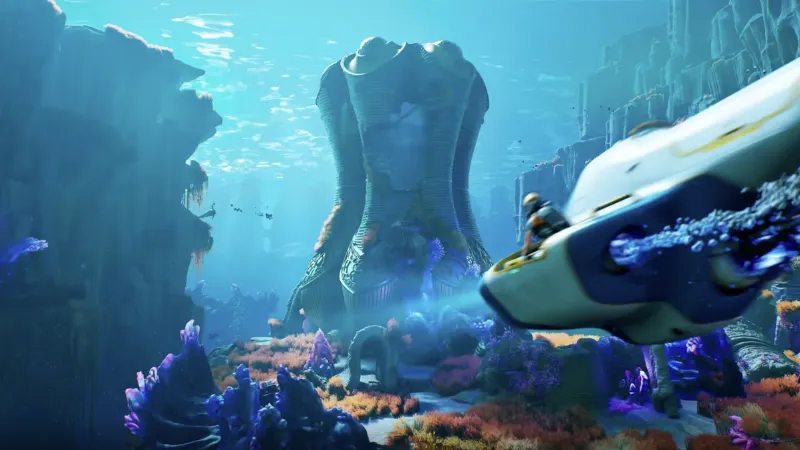
Vehicles dramatically change how you explore Subnautica. The Seamoth provides mobility and protection during mid-game exploration, while the Cyclops and Prawn Suit allow deeper expeditions later on.
Upgrading vehicles should be a major priority. Depth modules, sonar systems, storage upgrades, and defensive systems increase survivability and efficiency.
Each vehicle has strengths and weaknesses. The Seamoth is fast and agile, while the Prawn Suit excels in dangerous deep-sea environments. Learning when to use each one improves overall progression.
Handling Predators and Dangerous Creatures
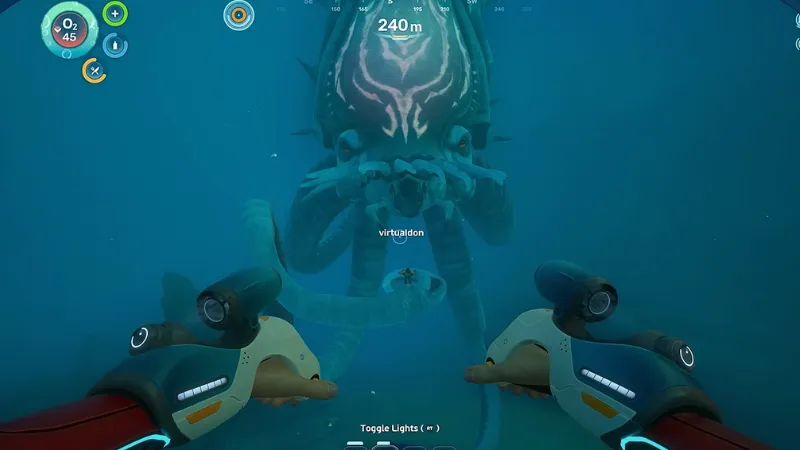
The ocean in Subnautica is filled with predators ranging from small aggressive fish to enormous leviathan-class creatures. Understanding creature behavior is critical for survival.
Most predators can be avoided through stealth, careful movement, and awareness. Aggressive swimming or loud vehicle movement often attracts unnecessary attention.
Leviathans require special caution. Fighting them is rarely necessary and often risky. Instead, focus on avoidance, route planning, and defensive tools to survive encounters safely.
Exploring Deep Ocean Zones Safely
The deeper you go in Subnautica, the more dangerous and mysterious the world becomes. Deep biomes introduce environmental hazards, stronger predators, and more complex navigation challenges.
Preparation becomes essential before entering these regions. Bring enough food, water, batteries, medkits, and repair tools to survive unexpected situations.
Use beacons to mark important locations and escape routes. Deep zones can become confusing and disorienting, especially during long expeditions. Good navigation habits prevent panic and resource loss.
Preparing for the Endgame and Final Discoveries
Late-game progression focuses on uncovering the truth behind the planet, exploring alien facilities, and accessing the deepest areas of the ocean.
By this stage, your equipment, vehicles, and base systems should be fully upgraded. Efficient resource gathering and organized storage help support complex crafting requirements.
The final sections test all the skills you developed earlier—exploration, oxygen management, navigation, survival preparation, and environmental awareness. Remaining calm and methodical ensures successful progression through the game’s most dangerous areas.
Conclusion
Subnautica is a survival experience built around curiosity, preparation, and exploration. Mastering the game requires learning how to manage oxygen, navigate dangerous biomes, upgrade technology, build effective bases, and survive encounters with terrifying ocean predators. By approaching the world carefully and adapting to its challenges, you can transform from a stranded survivor into a fearless deep-sea explorer capable of uncovering the planet’s greatest secrets.
Summary
Master Subnautica with survival strategies, oxygen management, base building, vehicle upgrades, and deep-sea exploration techniques.